Tokyo 東京都
Twenty-three wards, a belt of western cities and a chain of Pacific islands, where the calendar is set by sumo tournaments, museum seasons and the ginkgo avenues of late November. The prefecture stretches far past the city: the Okutama mountains to the west, the Izu and Ogasawara islands a thousand kilometres to the south.
Seasonal calendar
Notable places
| Notable place | Why | |
|---|---|---|
| 千鳥ヶ淵 | A 700-metre promenade along the moat of the Imperial Palace, lined with about 140 cherry trees that lean out over the water. Rowing boats go out from the pier at the northern end, so the blossom is seen from below as much as from the path. Tokyo’s normal first flowering is 24 March, full bloom 31 March. | 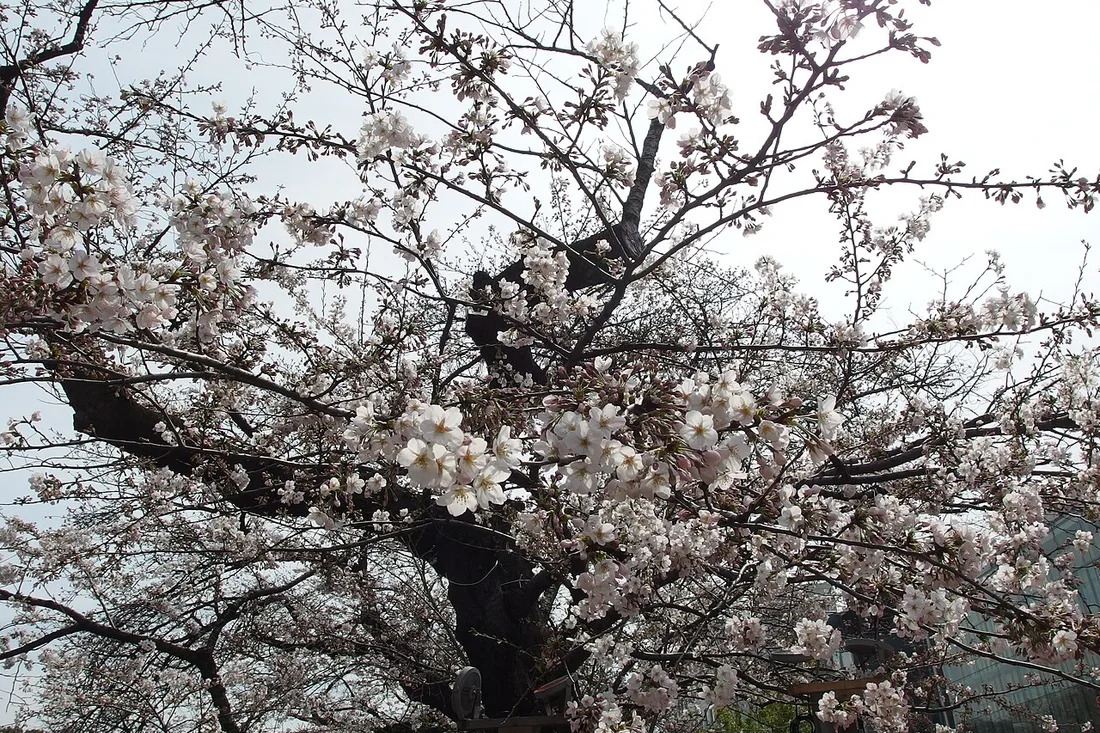 Photo · Guilhem Vellut · CC BY 2.0 |
| 亀戸天神社 | Wisteria trellises over a pond crossed by arched bridges, a flower-viewing spot since the Edo period and the subject of a print in Hiroshige’s One Hundred Famous Views of Edo. More than 50 vines flower together in mid to late April, now with Tokyo Skytree behind them. | 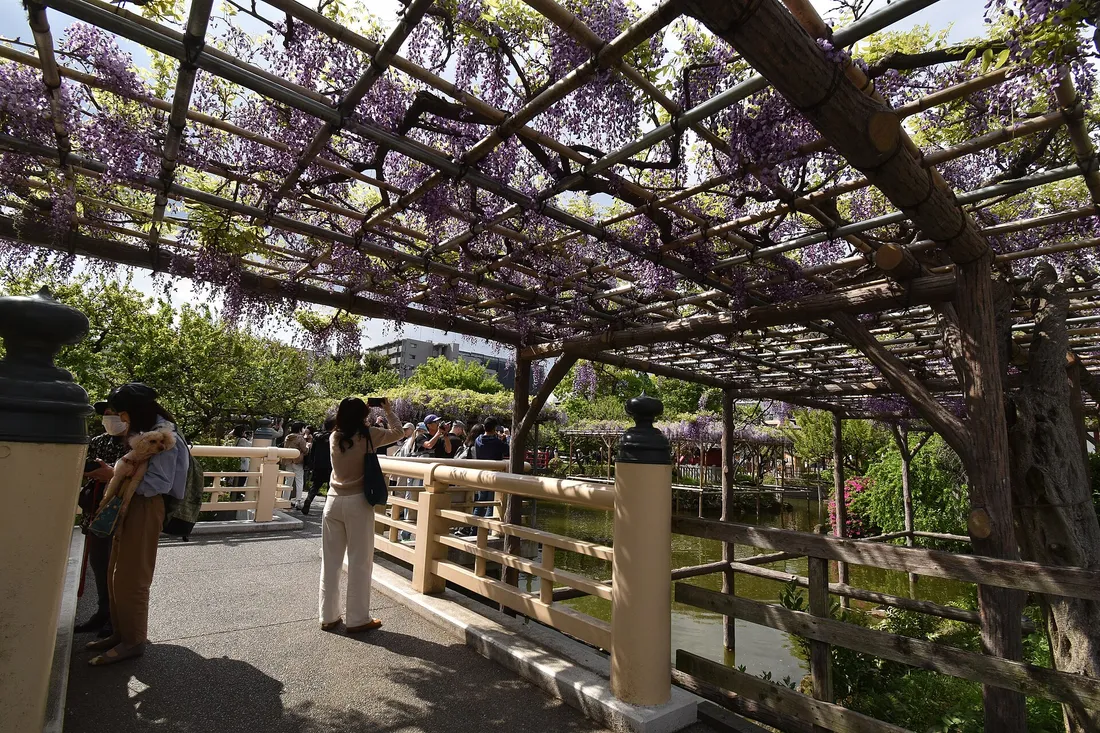 Photo · Fred Cherrygarden · CC BY-SA 4.0 |
| 高尾山 | A 599 m mountain 50 minutes from Shinjuku with two windows. From mid-November to early December the maples colour along the cable car, around Yakuo-in temple and on the summit. Around the winter solstice the sun sets exactly on the summit of Mount Fuji as seen from the top and from Momijidai, five minutes beyond it: Diamond Fuji, at about 16:15. | 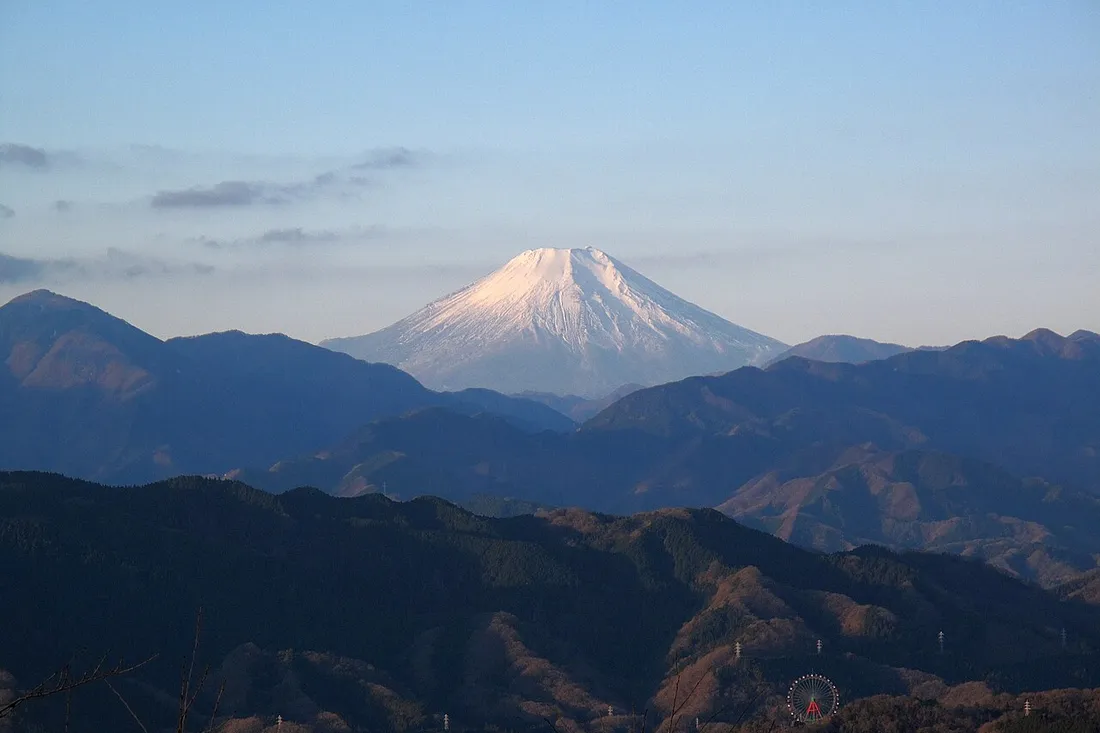 Photo · Tobihino1977 · CC0 |
| 向島百花園 | The one surviving flower garden of the Edo townspeople, opened in the early nineteenth century, and it still keeps their moon-viewing: for three evenings around the harvest moon the garden stays open until 21:00, painted lanterns are lit along the paths from 17:50 and a koto plays from 18:00 to 20:00. The 30 m tunnel of bush clover flowers in the same weeks. | 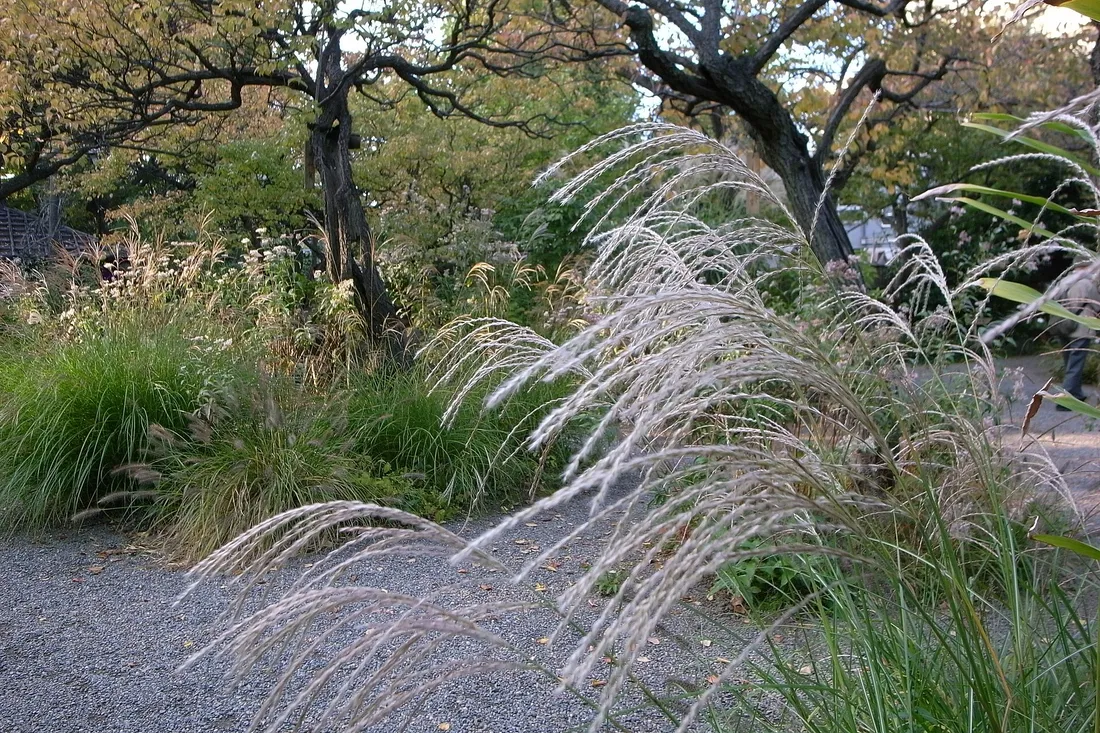 Photo · na0905 · CC BY 2.0 |
| 新宿御苑 | A former imperial garden of 58 hectares in the middle of Shinjuku, with about 900 cherry trees of some 70 varieties, so the season runs long: early kanzakura from February, Somei-yoshino from late March, then the double-flowered yaezakura into mid-April on the wide lawns of the English garden. Tokyo’s normal first flowering is 24 March, full bloom 31 March. | 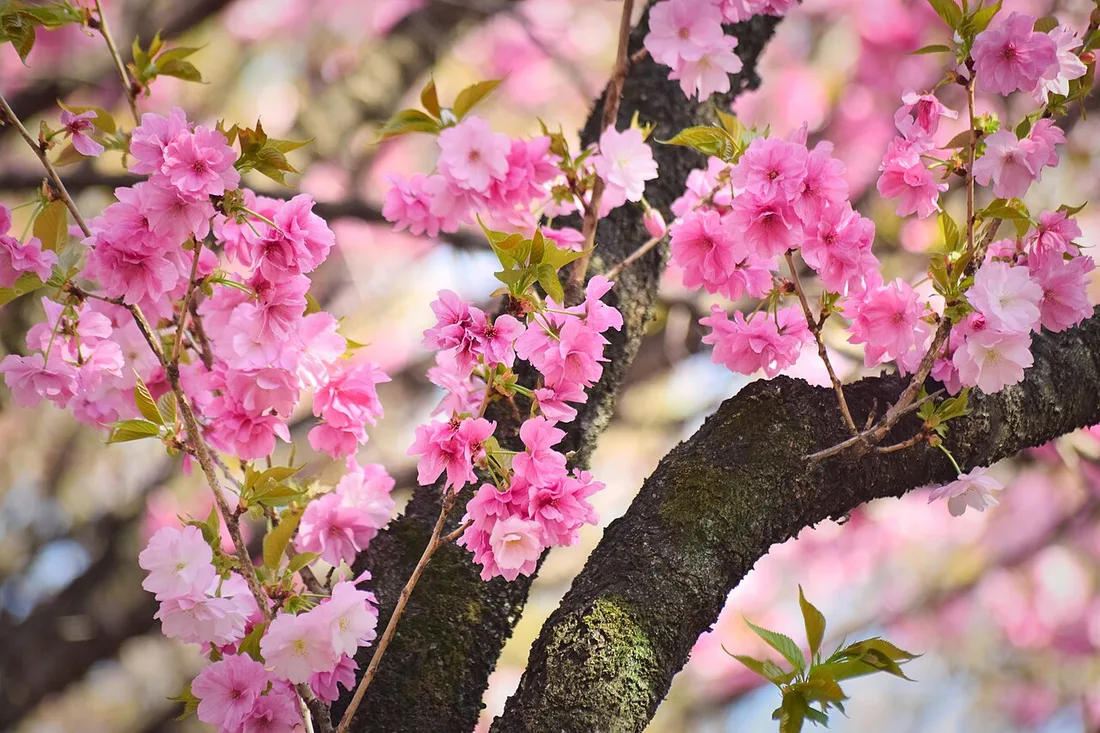 Photo · Raita Futo · CC BY 2.0 |
| 国営昭和記念公園 | Two windows back to back in a former air base in Tachikawa. Four million yellow cosmos cover the Flower Hill from mid-September, followed by 200,000 Sensation cosmos in October. Then the ginkgo avenues turn: 106 trees along the Canal in early to mid-November, 98 more on the 300 m Katarai avenue in mid to late November. | 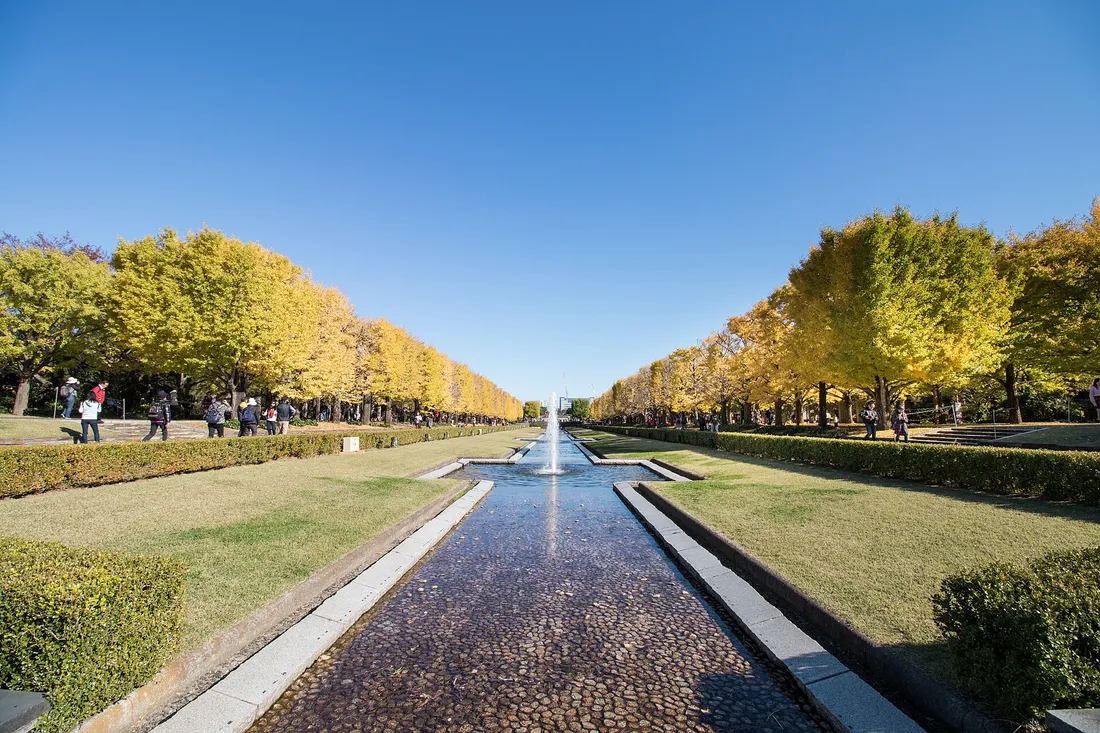 Photo · Kakidai · CC BY-SA 4.0 |
| 湯島天満宮 | About 300 plum trees, most of them the white Shirokaga, in the precinct of the shrine of the god of learning. The plum festival runs on the same dates every year, 8 February to 8 March, which is also exam season: the racks of votive tablets left by students stand among the blossom. | 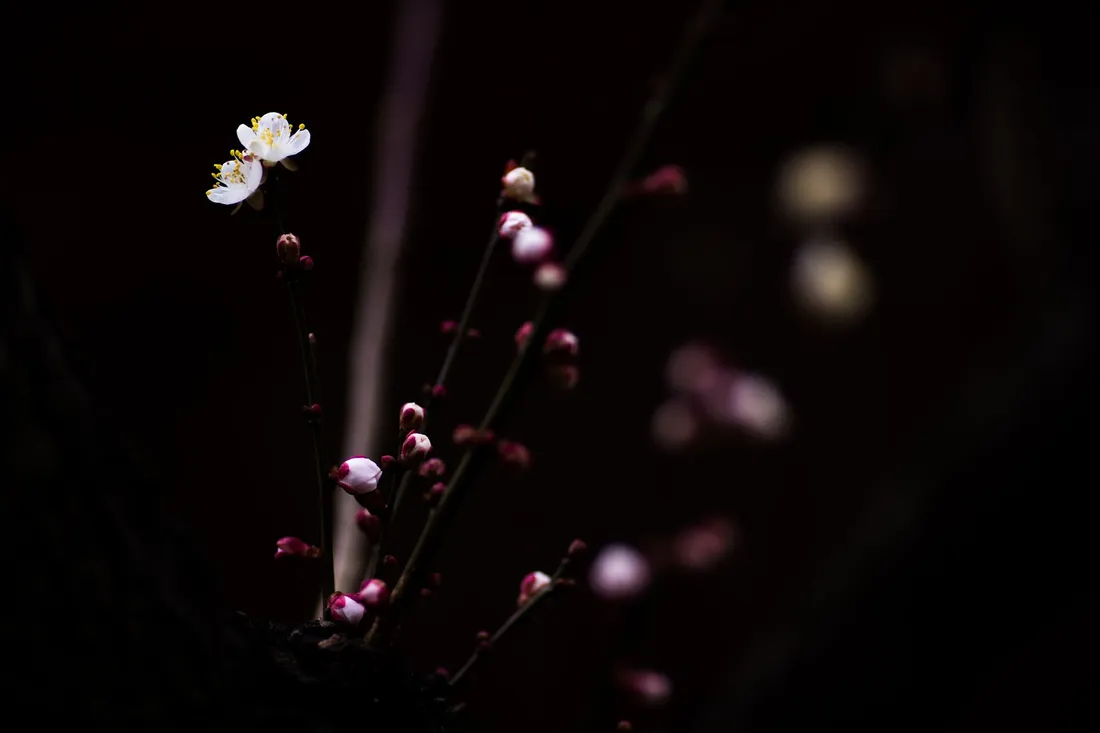 Photo · Kentaro Mame · CC0 |
Events
| Event | What it is | |
|---|---|---|
| 大相撲九月場所 | Fifteen days of sumo in the sport’s home arena, the last Tokyo tournament of the year | 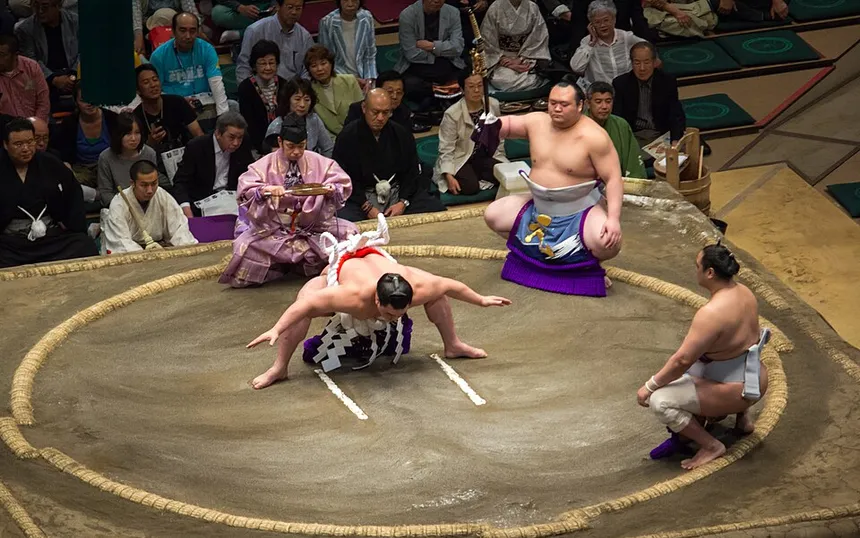 Photo · Simon Q · CC BY 2.0 |
| 池上本門寺 お会式 | Three thousand people carry lantern towers to the temple where Nichiren died | 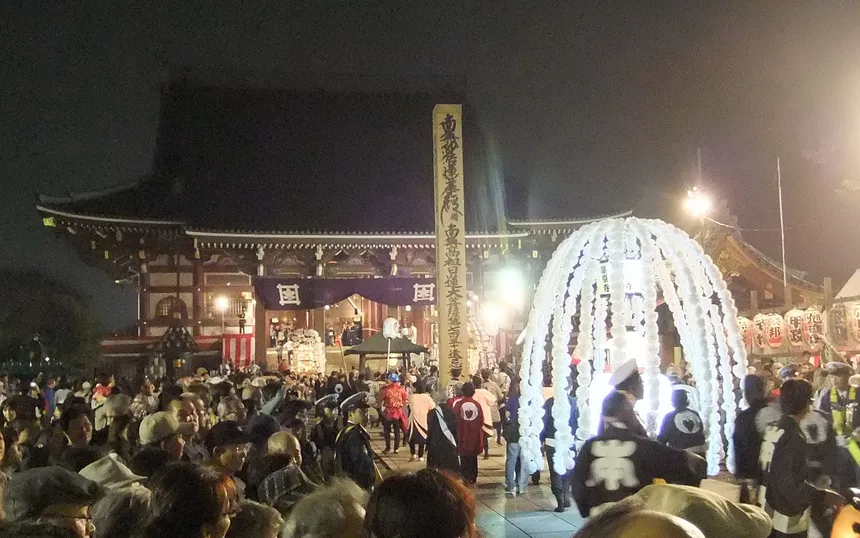 Photo · tak1701d · CC BY-SA 3.0 |
| 東京国際映画祭 | Japan’s main film festival: ten days of premieres with English subtitles | 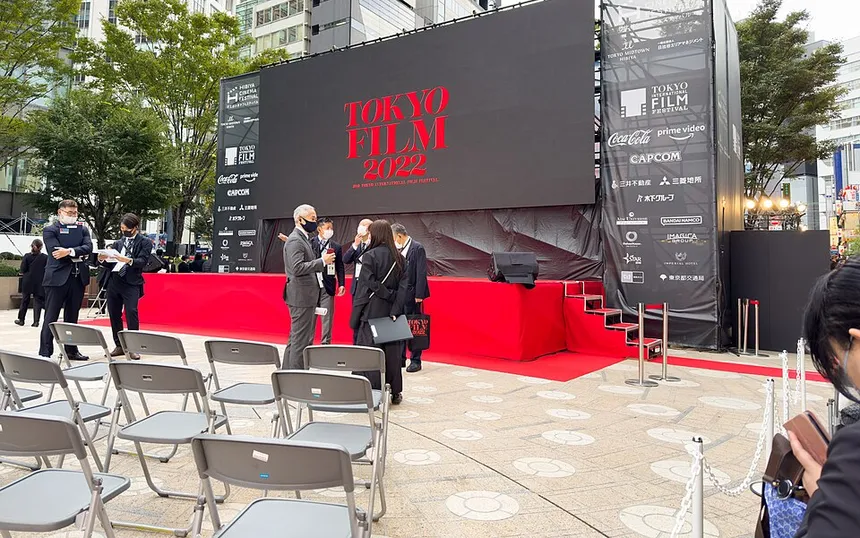 Photo · Dick Thomas Johnson · CC BY 2.0 |
| 少女漫画・インフィニティ 萩尾望都×山岸凉子×大和和紀 三人展 | Over 800 original drawings by three authors who remade girls’ manga in the 1970s | 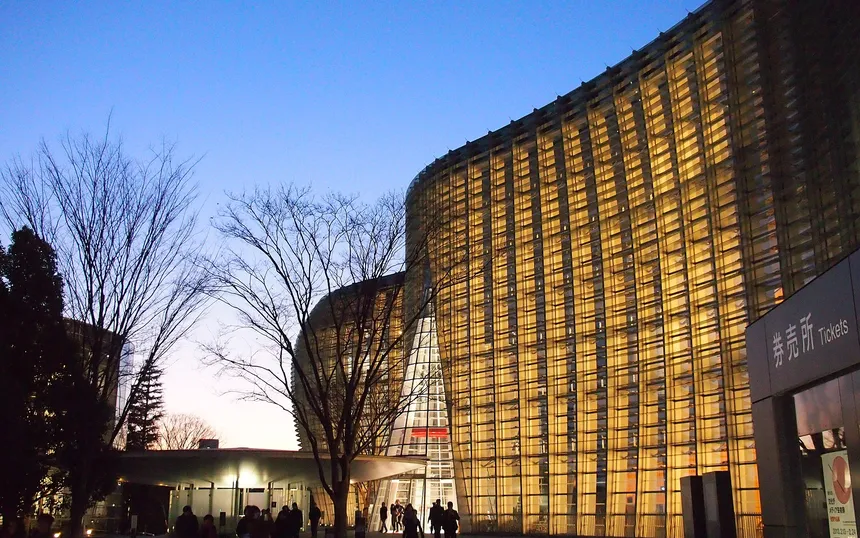 Photo · Kaz Ish · CC BY-SA 3.0 |
| THE WORLD OF BIOHAZARD 30周年展 | The first large-scale Resident Evil show: sets, artwork and life-size villains |  Photo · Capcom France · CC BY 3.0 |
| 酉の市 | The all-night market of lucky rakes, the biggest of Tokyo’s rooster-day fairs | 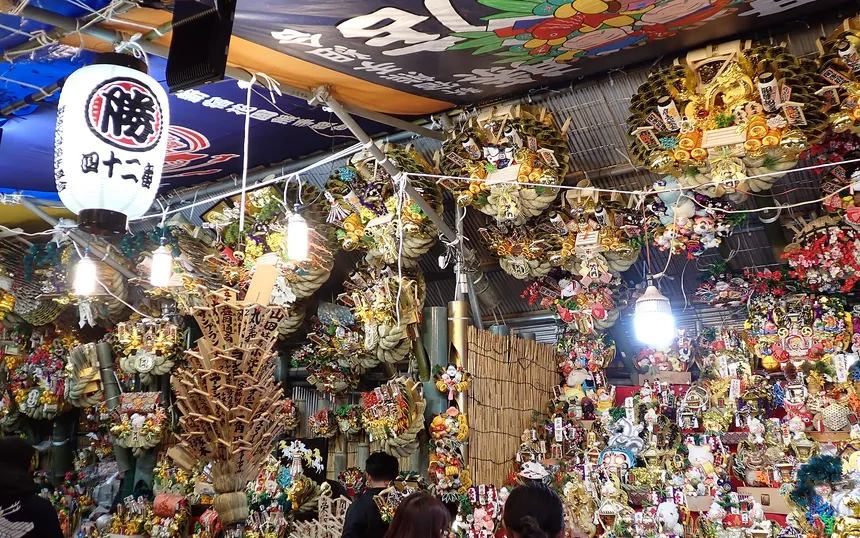 Photo · Mozzucu · CC0 |
| デザインフェスタ vol.64 | Asia’s largest open art fair: 6,500 booths, no jury, everything for sale | 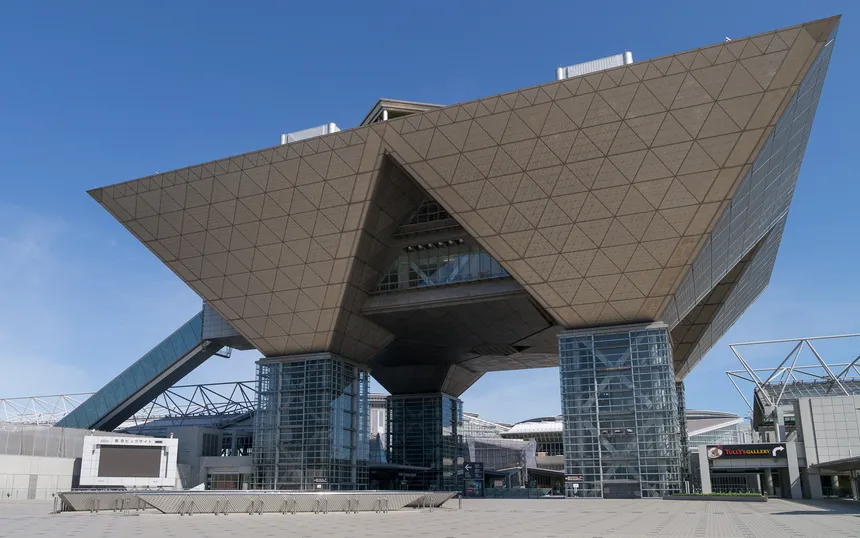 Photo · Rs1421 · CC BY-SA 3.0 |
| 酉の市 | The all-night market of lucky rakes, the biggest of Tokyo’s rooster-day fairs | 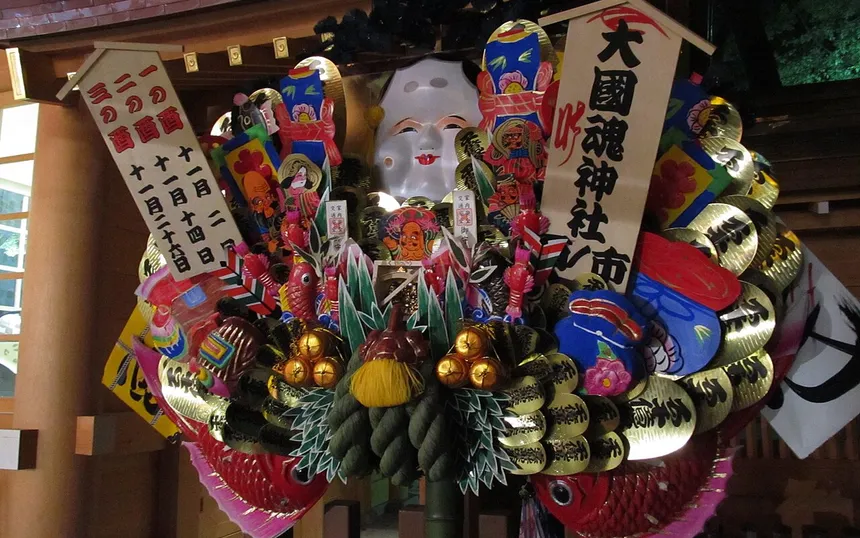 Photo · Jipanguguru · CC BY 3.0 |
| 世田谷のボロ市 | A flea market held on the same four days every winter since 1578 | 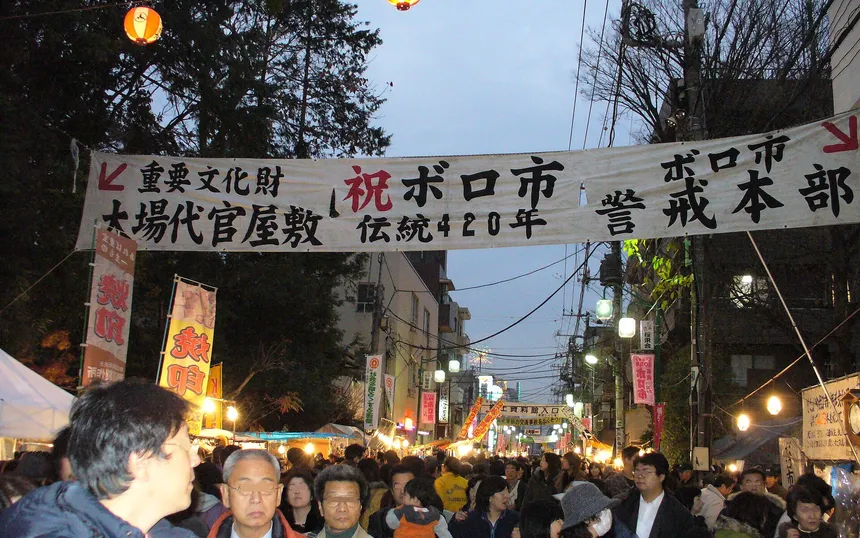 Photo · Takahashi J · CC BY-SA 3.0 |
| 世田谷のボロ市 | A flea market held on the same four days every winter since 1578 | 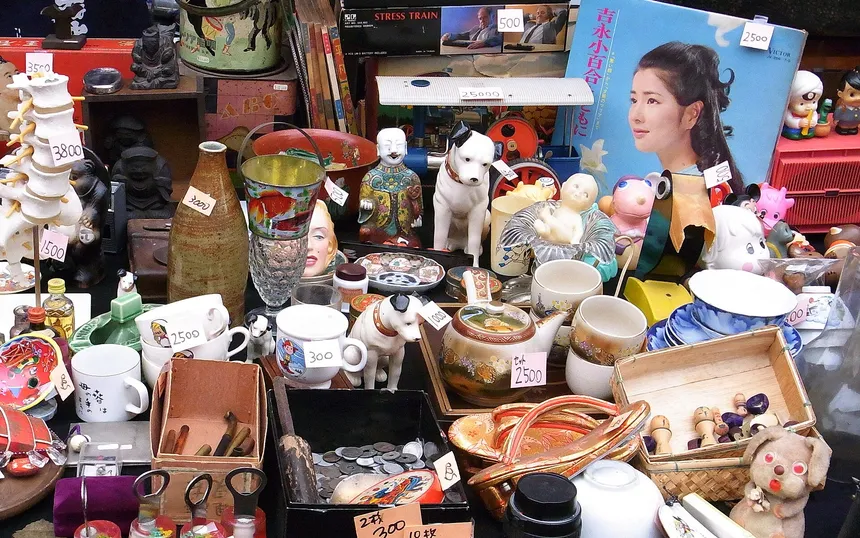 Photo · Edomura no Tokuzo · CC BY-SA 3.0 |
Meibutsu & craft
Food
History through time
1603
Tokugawa Ieyasu makes Edo, a castle town around a fort of 1457, the seat of the shogunate; within a century it holds about a million people.
1657
The Meireki fire burns most of the city and the castle keep, which is never rebuilt; the replanned city gets firebreaks and Ryogoku Bridge, the second crossing of the Sumida.
1868
Edo is renamed Tokyo, the eastern capital, and the emperor moves from Kyoto the following year.
1923
The Great Kanto Earthquake of 1 September and the fires after it destroy the eastern wards.
1945
The air raid of 9–10 March burns about 41 square kilometres of the east of the city in one night.
1964
The first Olympic Games in Asia; the Shinkansen opens nine days before them, and the elevated expressways, begun in 1962, are rushed out for the Games.